
Equipment Checklist for First Class and Tournaments
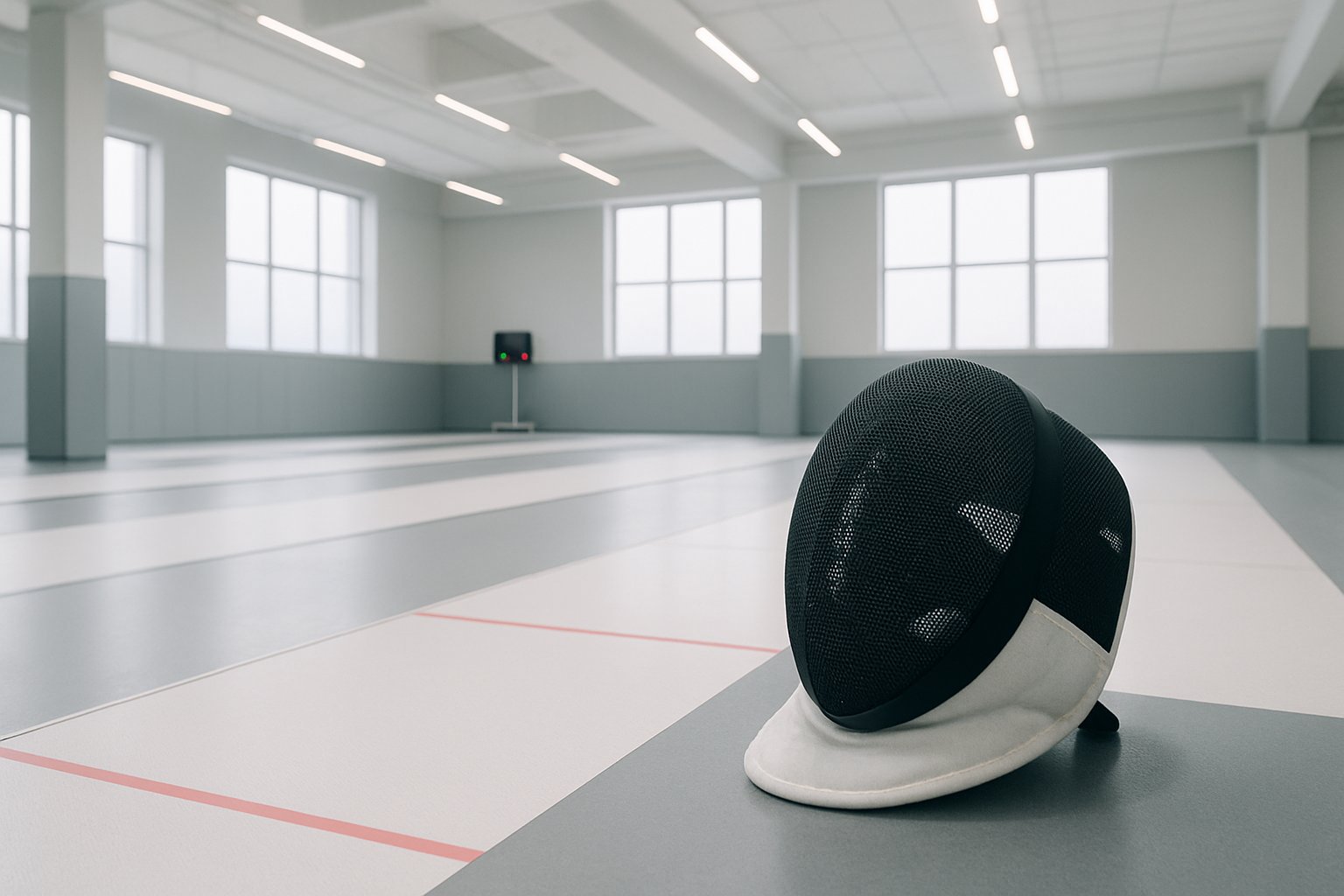
Equipment checklist sounds serious, but at Vivo Fencing, it starts simple. If you are coming in for a first class, your checklist should help you walk into the salle feeling relaxed, not worried about buying gear. If you are heading to a tournament, the list gets more detailed and includes a quality check, so you can avoid last-minute surprises and focus on fencing.
Why an Equipment Checklist Helps You Feel Ready
An equipment checklist is really a readiness tool. It gives you a clear plan for class day or competition day, helps you catch missing items early, and keeps small problems from turning into stressful ones. That matters whether your child is trying fencing for the first time, you are supporting a teen competitor, or you are an adult beginner learning the sport.
At Vivo Fencing in Haverhill, we want the first step into fencing to feel welcoming. You do not need to show up with a full bag of gear just to see if the sport is a fit. Beginners can try a class, move safely, and start learning the basics of physical chess without the pressure of buying equipment first.
Equipment Checklist for Your First Fencing Class
For a first visit, your equipment checklist should stay short and practical. Vivo provides all fencing equipment for beginners, so you only need a few basics that let you move comfortably during class. That keeps the focus where it belongs, on learning, having fun, and getting a feel for the sport.
- Long athletic pants
- A T-shirt
- Indoor shoes with non-black soles
This approach removes a big barrier for families and new students. You do not need to buy a mask, jacket, weapon, or full uniform before your first lesson. You just need comfortable clothes, the right shoes, and a willingness to step on the strip and learn.
Common First Class Equipment Checklist Mistakes
The most common miss is simple, long pants. When the weather is warm, it is easy to forget that lower-body coverage still matters for class. A quick reminder the night before can save you from an avoidable scramble on the way out the door.
It also helps to think through your gear in a calm order. Put out your T-shirt, double-check your shoes, and make sure those soles are non-black. Then stop there. For a first class, a good equipment checklist should lower stress, not pile on extra steps.
Quick first class reminder
- Wear long athletic pants, even on warm days
- Choose a comfortable T-shirt
- Bring indoor shoes with non-black soles
- Let Vivo handle the fencing equipment
How Your Equipment Checklist Changes for Tournaments
Once a fencer begins competing, the equipment checklist becomes more complete. Tournament prep is not only about what goes in the bag. It is also about whether each item is ready to perform the way it should. That extra step helps your day run more smoothly from warm-up to the final bout.
The easiest way to build a tournament list is by priority. Start with fencing-related equipment first, because those items are essential to competing. Then move to supporting items such as food, drinks, medication when needed, and comfort clothing for the time between bouts.
Core fencing-related equipment
- Uniform
- Weapons
- Shoes
- Team attire
Supporting items
- Nutrition or snacks
- Drinks or water
- Medication, if needed
- Comfort apparel for before and after fencing
Why Quality Check Comes Before Packing on Your Equipment Checklist
At Vivo, inspection is part of the equipment checklist. It is not something you leave for later. Before anything goes into the bag, take time to look it over. That habit can save you from preventable surprises that add stress right before an event.
A glove with a hole, a broken body cord, or a weapon that does not pass equipment check can disrupt the whole day. When you inspect gear before packing, you give yourself time to fix the issue, replace the item, or ask a coach what to do next. That is a much better moment to solve a problem than tournament morning.
A Simple Pre-Tournament Equipment Checklist Routine
A calm routine makes tournament prep easier. Instead of packing in a rush, work through your list in the same order each time. Start with fencing-related equipment, inspect each item, then move to supporting items. That simple rhythm helps families feel organized and helps fencers show up ready to compete.
- Lay out all fencing-related equipment first
- Do a quality check on each item before packing
- Pack team attire
- Add food, drinks, and medication if needed
- Include comfort apparel for the full day
- Do one final bag check before leaving
Good routines build confidence. When you know the bag has been packed in order and every item has been checked, you can spend more energy on focus, footwork, and strategy. That is where a fencer should be mentally when competition starts.
Key Equipment Checklist Takeaways for Vivo Fencers
- A strong equipment checklist changes with the situation
- For a first class, keep it simple with long athletic pants, a T-shirt, and indoor shoes with non-black soles
- Beginners do not need to buy fencing gear before trying class at Vivo
- For tournaments, check fencing-related equipment first and supporting items second
- A quality check is part of the checklist, not an extra step
- Small gear issues are easier to fix before you leave than at the venue
Equipment Checklist FAQ
Do you need to buy fencing gear before a first class?
No. Vivo Fencing provides all fencing equipment for beginners. You only need long athletic pants, a T-shirt, and indoor shoes with non-black soles.
What do people forget most often on a first class checklist?
Long pants are the big one, especially when the weather is warm. Setting out clothes the night before makes your first class feel much easier.
What should come first on a tournament equipment checklist?
Start with fencing-related equipment such as your uniform, weapons, shoes, and team attire. Once those are covered, move on to supporting items like snacks, water, medication when needed, and comfort clothing.
Why is a quality check part of the equipment checklist?
Because bringing an item is not enough if it is damaged. Checking gear before packing helps you catch holes, broken cords, and other issues before they become tournament-day surprises.
Should food and drinks be on a tournament checklist?
Yes. Supporting items matter, especially on long competition days. Water, snacks, and other comfort needs help a fencer stay steady, focused, and ready between bouts.
Who is Vivo Fencing?
We are a foil and épée training club in Haverhill, Massachusetts, serving kids, teens, and adults from first class through real competition. Our coaching team gives you a clear path to improve in a welcoming, serious, and supportive salle. Come try a free first class at Vivo. Loaner gear is provided, and you’ll leave with clear next steps.
Building an Equipment Checklist That Fits the Day
The best equipment checklist matches the moment. For a first class, it should be short, welcoming, and easy to follow. For a tournament, it should cover both packing and inspection so you arrive prepared and comfortable. When you use it that way, you cut down on stress, avoid preventable surprises, and give yourself a better start on the strip.
Ready to begin your fencing adventure?
Book a free first class and discover the exciting world of fencing with expert coaches