
Flèche Footwork for Foil and Épée Training in Haverhill
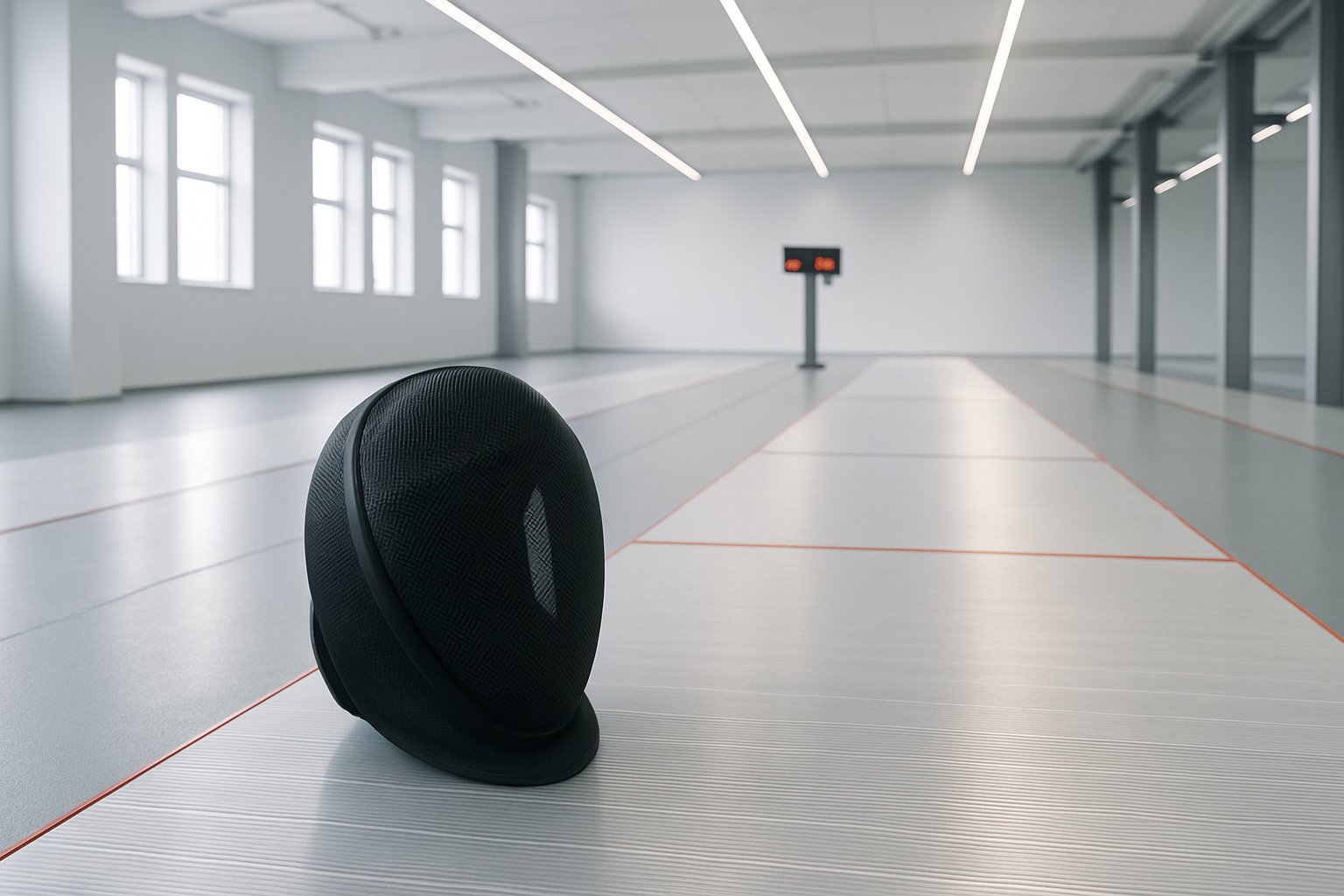
Fleche footwork is one of those actions that gets your attention fast. It feels explosive, but it should never feel wild. When you learn it the right way, you are not just running at someone. You are choosing the right distance, leading with the hand, and using timing to turn speed into a clean attack. That is how fencing starts to feel like physical chess.
At Vivo Fencing in Haverhill, we teach actions like this in a clear progression. You build stance, balance, and distance first, then you learn when a faster attacking choice makes sense. Whether you are brand new to foil or épée, or already competing, strong mechanics give you more confidence on the strip and a better plan in real bouts.
What Fleche Footwork Means on the Strip
Fleche footwork is a forward attacking action where you drive through the distance and continue past your opponent instead of stopping in a classic lunge. The term comes from the French word for “arrow,” which fits the idea well. The movement is sharp, direct, and committed, but it still needs control from start to finish.
The big difference is how the action finishes. In a lunge, you stop and recover in front. In a fleche, your momentum carries you through. That means you need balance before the action, clean timing during the action, and an organized recovery after it. When those pieces work together, the attack becomes much harder to manage.
Why Fleche Footwork Matters in Foil and Épée
Fleche footwork matters because it changes the pace of the bout in a hurry. If your opponent is hesitating, preparing slowly, or expecting a smaller action, a well-timed fleche can close the distance before they settle into their plan. It is not just fast, it is disruptive, which makes it useful in both foil and épée when the setup is right.
- It covers distance quickly when a normal lunge may fall short
- It punishes hesitation from an opponent who is late to react
- It works best with preparation such as feints, pressure, or changes of tempo
- It teaches commitment because you must attack with a clear decision
That said, faster is not always better. Good fencers do not force a fleche just because they can. They use it when the distance is realistic and the opponent has given them a reason. That kind of decision-making is a huge part of athletic progress, especially for young fencers learning how to connect technique with tactics.
How to Execute Fleche Footwork Cleanly
Clean fleche footwork starts from a stable en garde position. En garde simply means your ready stance, balanced, alert, and prepared to move in any direction. From there, the attack begins with intention. Your arm starts the action toward target, and your legs support that choice. If the body rushes first, the whole action usually gets messy.
Basic Sequence
- Start balanced in en garde.
- Extend the hand and weapon toward target.
- Push powerfully off the back leg.
- Let the rear leg pass through as the body drives forward.
- Continue past under control and recover safely.
A simple coaching cue helps here, hand first, then feet. That order gives the attack shape and purpose. It also helps foil fencers understand priority more clearly and helps épée fencers attack with less reaching and less panic. When you practice the sequence slowly and correctly, the speed comes later and feels much more natural.
Common Fleche Footwork Mistakes to Fix Early
Most fleche errors come from trying to skip ahead. You want the exciting part, so you chase the speed before you own the structure. That usually leads to leaning, reaching, or launching from too far away. In other words, the action gets bigger, but not better. Early correction matters because habits formed at full speed are harder to clean up later.
- Leaning before the attack begins, which makes balance disappear
- Moving the body before the hand, which weakens the attack
- Starting from unrealistic distance, which makes the action easy to read
- Tensing the shoulders, which often telegraphs the plan
- Forgetting the recovery, which creates sloppy finishes and unsafe habits
If one of these shows up in practice, the answer is usually to slow it down and rebuild the sequence. That is normal. At Vivo, athletes improve faster when they understand why something breaks down, not just that it broke down. Better awareness leads to better choices, and better choices lead to cleaner touches.
When Fleche Footwork Is the Right Choice
Fleche footwork works best when the moment is already opening for you. Maybe your opponent pauses in preparation. Maybe they are focused on your blade. Maybe you have shown smaller attacks and now you change the rhythm. In each case, the action is successful because of the read, not because of pure aggression.
This is where coaching makes a real difference. You can learn the movement in class, but reading the moment takes repetition, feedback, and live fencing experience. That is why a strong training pathway matters. Group classes build the shared skills, private lessons sharpen timing, and competitive bouts teach you how to recognize the opportunity under pressure.
Drills That Build Better Fleche Footwork
You improve fleche footwork by training more than speed. You need distance awareness, balance, coordination, and decision-making. Good drills break those pieces apart, then reconnect them in realistic fencing situations. That approach helps beginners stay safe and helps experienced fencers make the action dependable in competition.
Solo Work
- Wall extension drill: Practice clean hand extension without leaning forward.
- Distance marker drill: Use floor marks to learn where the launch actually works.
- Shadow action: Move through the full sequence smoothly and recover with control.
Partner Work
- Reaction cue drill: Attack only when your partner gives the correct visual signal.
- Feint to finish drill: Build the fleche from a believable setup instead of guessing.
- Decision drill: Learn when not to go so your timing gets smarter.
For many athletes, conditioning matters here too. Fit2Fence can help build the leg strength, core control, and endurance that support sharper movement late in practice or late in a bout. That matters because good technique should hold up when you are tired, not disappear the moment the pace rises.
How Vivo Fencing Teaches Fleche Footwork Progressively
If you are new, you do not need to master fleche footwork on day one. You need the right foundation first. At Vivo Fencing Club, that means learning stance, basic footwork, distance, and simple attacks in a supportive setting. Beginners get a free trial, loaner gear, and a USA Fencing membership, so you can step in without feeling overwhelmed.
As you progress, the pathway stays clear. Youth fencers can move from beginner classes into more advanced training. Teens and adults can build skills for recreation, fitness, or competition. Private lessons give you focused technical feedback, camps provide extra repetition, and competitive team training raises the tactical level. Inside our 6,000 square foot salle with 15 electric strips, you have room to learn, test ideas, and grow with coaches who know how to guide every stage.
That coaching depth matters. You are learning from a staff that includes world champion Arpad “Arpi” Horvath, two-time Olympian Molly Sullivan Sliney, and Olympic team coach Kornél Udvarhelyi. The goal is never to make fencing feel intimidating. It is to give you serious instruction in a welcoming environment, so you can make measurable progress and enjoy the process.
Fleche Footwork FAQ
Is Fleche Footwork Better Than a Lunge?
Not automatically. A lunge is often simpler and easier to recover from, especially for newer fencers. A fleche is useful when you need to cover more ground quickly and the timing is there. The better choice depends on distance, setup, and the opponent in front of you.
Can Beginners Learn Fleche Footwork?
Yes, but beginners should learn it in the right order. First, you build balance, coordination, and clean arm extension. Once those basics are in place, the action becomes much easier to understand and much safer to perform. That progression helps you build confidence instead of rushing the hard parts.
Does Fleche Footwork Matter in Both Foil and Épée?
Yes. In both weapons, the action can be a strong way to change distance and pressure an opponent. The tactical details are different, but the core ideas stay the same, lead with the hand, choose the right moment, and stay organized through the finish.
How Can You Improve Fleche Footwork Faster?
You improve faster when you mix drills, live feedback, and real bouts. Group classes help you repeat the movement, private lessons help fix technical details, and bouting teaches you when the action actually makes sense. That combination is how technique becomes usable under pressure.
Who Is Vivo Fencing?
We are a foil and épée training club in Haverhill, Massachusetts, helping kids, teens, and adults move from a first class to real competition with expert coaching and a welcoming community. Our coaches teach clear fundamentals, smart tactics, and measurable progress inside a supportive salle. Come try a free first class at Vivo. Loaner gear is provided, and you’ll leave with clear next steps.
Ready to begin your fencing adventure?
Book a free first class and discover the exciting world of fencing with expert coaches