
Foil Counter-Parry, Riposte, and Right of Way in Foil
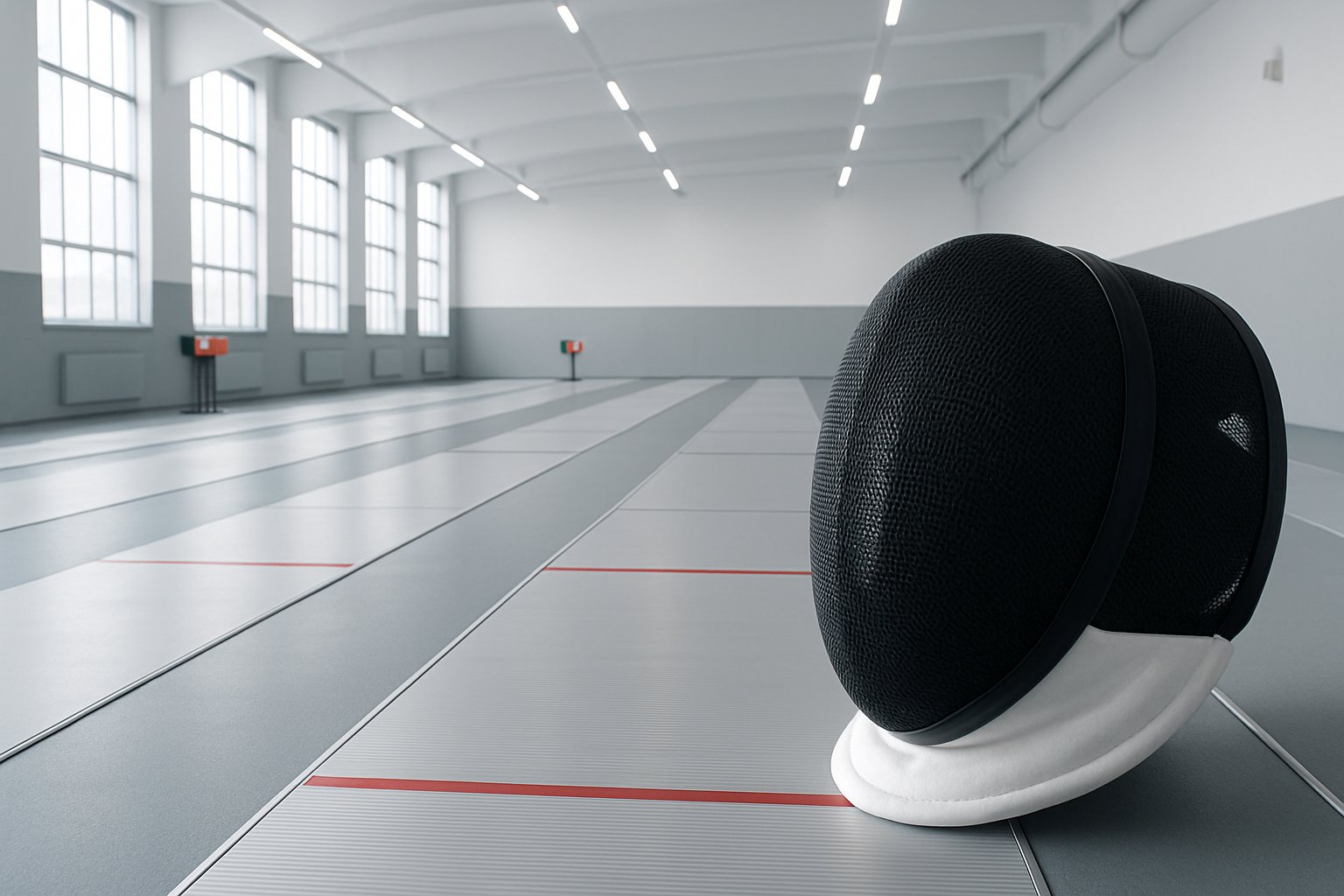
Foil counter-parry riposte can sound advanced at first, but the idea is simple when you break it down. In foil, you are not just trying to be fast. You are trying to create a response, show clear control, and finish in a way the director can read with confidence.
At Vivo Fencing in Haverhill, we teach this as part of foil’s bigger picture, physical chess on the strip. You learn how to sell the first action, keep the blade work compact, and hit with right of way. That gives you a cleaner, smarter touch and a stronger base for real competition.
What Is Foil Counter-Parry Riposte?
A foil counter-parry riposte is a tactical exchange. You start by showing an action that draws a predictable response. Then you take back control with a clear counter-parry and finish right away with the riposte, meaning your return hit after you have re-established priority.
- First action: you sell a threat and invite a reaction
- Counter-parry: you take control back with a compact blade action
- Riposte: you finish immediately with right of way
That is why this skill starts before the blades ever meet. If your setup is good, the exchange becomes easier to manage. Instead of guessing late, you are shaping what happens next.
Why Foil Counter-Parry Riposte Matters in Foil
Foil has right of way, so the touch is not decided by who flashes the first light alone. The director needs to see who had control of the phrase. A good foil counter-parry riposte makes that control clear through timing, blade presentation, and a finish that matches the action.
This is also why slower is not always worse. If you rush, get wide, or make the action hard to read, you can lose the phrase even if you feel quick. A clean, deliberate motion often gives you a better result because the director knows you have control.
Small and Tight Beats Big and Messy
Many foilists make the action too large. A wide parry or dramatic beat can pull your tip away from the target and delay the finish. In most cases, a smaller, tighter action gives you better blade control and a shorter path to score.
Key Traits of a Strong Foil Counter-Parry Riposte
If you want this action to work under pressure, focus on a few core habits. They sound simple, but they matter a lot once the pace picks up in bouts.
- Compact blade work that stays readable
- Hand and finger control instead of body-led motion
- Balance through the setup and finish
- Distance awareness so the shape fits the moment
- Awareness of the open line before you finish
At Vivo, we coach you to let the hand do the work. When the body takes over too early, the action gets bigger than it needs to be. That usually makes the blade less precise and the riposte slower.
It Can Happen on the Blade or Off the Blade
This is an important detail for foil training. A foil counter-parry riposte does not have to look exactly the same every time, and it does not always need obvious, heavy blade contact. Sometimes the action happens on the blade. Sometimes it happens off the blade through timing, line, and control.
That broader view helps students fence more intelligently. You are not memorizing one rigid pattern. You are learning how to recognize the exchange and take it over cleanly.
Foil Counter-Parry Riposte Changes With Distance
Distance changes everything in foil. The same idea can require a different shape depending on whether the space is closing fast or staying available. If you ignore distance, even a technically correct action can feel late, crowded, or unbalanced.
This is one reason foil feels like physical chess. You are reading space, timing, and likely responses all at once. The better your distance judgment, the cleaner your foil counter-parry riposte becomes.
Common Foil Counter-Parry Riposte Mistakes
Most errors come from trying to force the touch. When that happens, the action gets larger, less balanced, and harder for the director to read. A few problems show up again and again in training and competition.
- Letting the body drive the action instead of the hand and fingers
- Making the counter-parry too big
- Carrying the tip too high before the finish
- Failing to anticipate which target line will open
- Rushing to be first instead of hitting with right of way
A good rule is to compare your action to the incoming one. If the opponent’s attack is wide, your answer should usually be tighter. Compact blade work gives you control, keeps your finish efficient, and makes the phrase easier to call.
A Simple Coaching Reminder
One of the best cues is this, sell your first action. If your first movement actually threatens something believable, your opponent is more likely to give you the response you wanted. That makes the counter-parry and riposte feel prepared instead of desperate.
How To Train Foil Counter-Parry Riposte at Vivo Fencing
You get better at this action by training the whole exchange, not just the last hit. That means working on setup, timing, blade clarity, and finishing choices together. For newer students, this starts with simple drills. For competitive fencers, it becomes part of bout strategy and lesson work.
- Practice drawing a specific response with your first action
- Keep the counter-parry visible, controlled, and small
- Finish at once to the line that opens
- Change tempo without losing balance
- Repeat the action from different distances
That kind of progression is a big part of how we coach at Vivo Fencing Club. Beginners can start in a welcoming group class with a free trial, loaner gear, and clear instruction. As you grow, private lessons, competitive team training, Fit2Fence conditioning, and camps help you sharpen the details that matter in real foil bouts.
Foil Counter-Parry Riposte Takeaways for Students and Parents
If you are new to foil, this action is a great example of how fencing develops both athletic skill and decision-making. You are learning balance, coordination, and hand control, but you are also learning how to think ahead, manage pressure, and solve problems in motion.
- Foil counter-parry riposte is a setup-driven action, not just a quick defensive reaction
- You need to hit with right of way, not simply arrive first
- Small, tight blade actions are usually easier to control and easier to read
- Hand discipline and balance matter as much as speed
- Distance changes the shape of the action
- You should already be thinking about the open target before the riposte finishes
That is the kind of skill we help students build every day in our Haverhill salle. Whether your child is just starting or already chasing stronger results, good foil training gives you a clear path forward.
Foil Counter-Parry Riposte FAQ
Is foil counter-parry riposte mostly about speed?
No. Speed can help, but in foil, clarity and control matter more than rushing. If the action is small, balanced, and easy to read, you give yourself a better chance to earn the call with right of way.
Does foil counter-parry riposte always need blade contact?
No. It can happen on the blade or off the blade. What matters is that you clearly regain control of the phrase and finish in a way the director can recognize.
What should beginners focus on first?
Start with balance, hand-and-finger control, and a simple understanding of right of way. Once you can stay compact and predictable in your own movement, the counter-parry riposte becomes much easier to learn.
How do Vivo coaches help students learn actions like this?
We teach the term in plain English, then build it step by step through footwork, blade drills, lessons, and supervised bouting. That helps you understand not just what to do, but when to do it and why it works.
Can adult beginners learn foil counter-parry riposte too?
Absolutely. Adult beginners can learn the same tactical ideas with the right progression. We keep the coaching clear and supportive, so you can build confidence first and then add more competitive detail over time.
Who is Vivo Fencing?
We are a foil and épée training club in Haverhill, Massachusetts, helping kids, teens, and adults grow from first class to real competition with clear coaching and a welcoming community. Our coaches guide you through every stage, from beginner fundamentals to advanced tactical work like foil counter-parry riposte. Come try a free first class at Vivo. Loaner gear is provided and you’ll leave with clear next steps.
Ready to begin your fencing adventure?
Book a free first class and discover the exciting world of fencing with expert coaches