
Mental Rehearsal Routines for Fencing Under Pressure
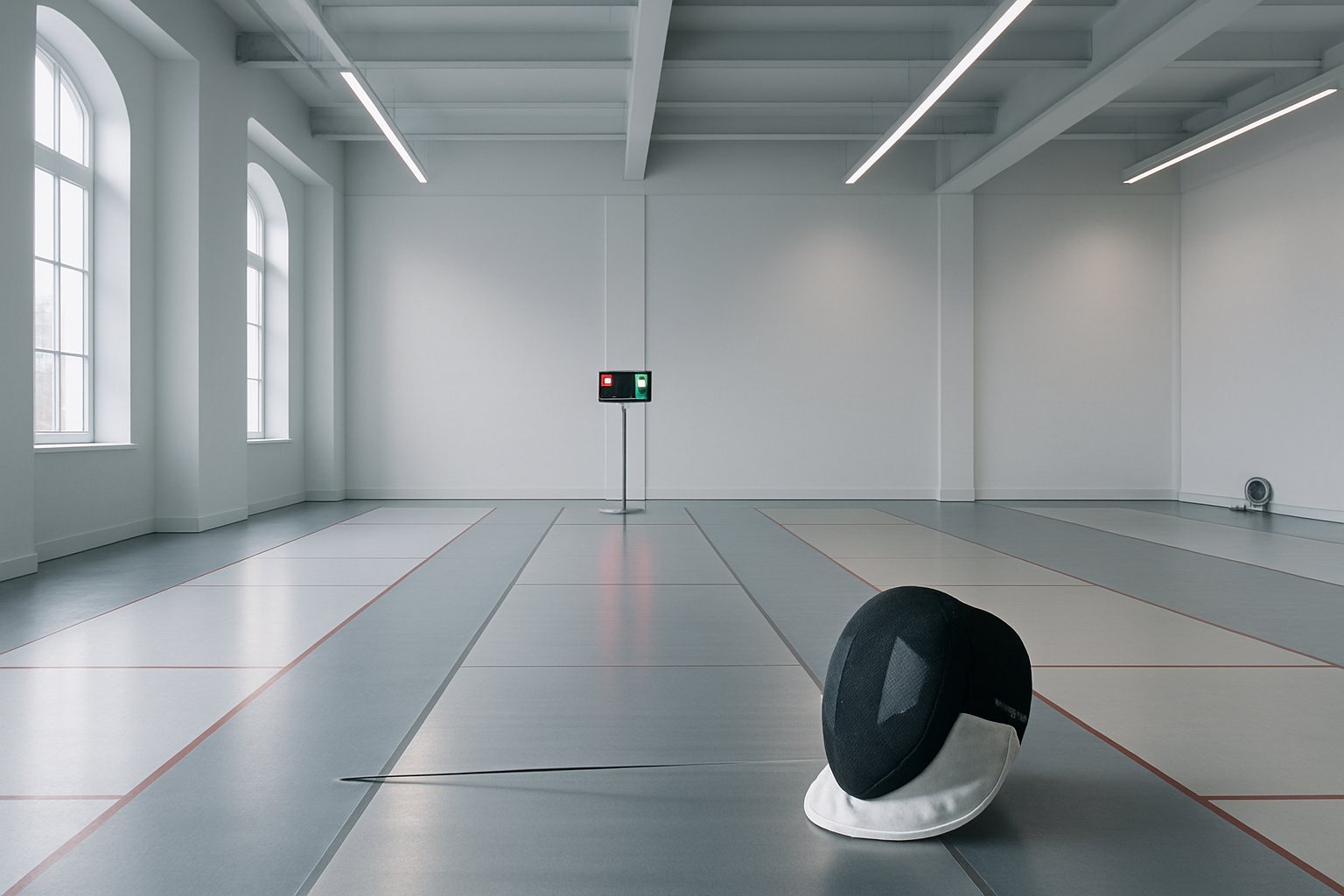
Mental rehearsal routines can give you a simple way to prepare before a bout, a hard drill, or a high-pressure tournament day. At Vivo Fencing in Haverhill, we treat this as a practical skill, not vague positive thinking. You picture a real opponent, a real plan, and the exact action you want to trust on the strip.
You are making decisions fast, managing distance, and trying to stay composed while the score changes. A good mental rehearsal routine helps you get comfortable with the moment before it arrives. This can build confidence and help your training show up when it counts.
Why Mental Rehearsal Routines Matter in Fencing
Fencing happens quickly. You may understand the right action in practice, then feel rushed when a bout gets tight. Mental rehearsal routines help slow that down before you ever fence. When you picture a specific situation ahead of time, the strip feels more familiar, and your response feels less reactive.
At Vivo, the goal is clear. You are working to bridge the gap between knowing what to do and actually doing it under pressure. That is useful for younger fencers learning confidence, competitive athletes preparing for events, and adult beginners who want to feel steadier in live bouts.
How Mental Rehearsal Routines Should Look
The best mental rehearsal routines are specific. Instead of imagining “winning,” you picture the setting, the opponent, and the action. You might see the opening exchange, the distance you want, and the timing of a clean attack or response. That makes the routine feel real enough to support execution.
- Picture a real strip and a real bout moment
- See a specific opponent or opponent style
- Rehearse the action or tactical choice you want
- Visualize clean movement and good timing
- Include staying calm and focused regardless of score
This is one reason the method fits fencing so well. The sport asks for clear decisions under pressure. When your mental picture matches the kind of situation you actually face, the routine becomes a useful part of preparation instead of empty motivation.
Simple Mental Rehearsal Routines for Practice and Competition
You do not need a long ritual to make this helpful. In many cases, a short, focused routine is enough. The point is to rehearse one moment well, then carry that clarity into your next rep or next bout.
Before a Bout
Picture the first exchange. See your stance, your footwork, and the distance you want to hold. Then picture the action you want to trust against that opponent. Just as important, visualize yourself staying calm and focused if the score gets close or momentum shifts.
Right After a Mistake in Practice
If a movement feels off during class, drills, or a lesson, pause before you repeat it mindlessly. Picture the correct version several times, then perform it again physically. That quick reset can help reinforce good habits and keep one bad rep from turning into five more.
“Visualize staying calm and focused regardless of the score.”
What Strong Mental Rehearsal Routines Include
A strong routine includes more than the blade action. You are also rehearsing how you want to feel in the moment. In fencing, calm matters. Focus matters. If you can picture yourself executing with control, even when the pressure rises, your body has a clearer job to do.
This is also where coaching helps. In a structured training environment, you learn what to picture because your actions are being taught, corrected, and repeated with purpose. That is true whether you are starting in a beginner class or training toward higher-level competition in foil or épée.
When Mental Rehearsal Routines May Not Work as Well
Mental rehearsal is useful, but it is not magic, and it is not for everybody. At Vivo, we see it work best when a fencer has an open mind and is willing to buy into the method. If it feels forced or disconnected from real training, it usually will not help much.
It also should not replace physical work. You still need footwork, drills, lessons, bouting, and feedback. Mental rehearsal routines work best as part of the learning loop. You picture the right action, then you go perform it. That is how the idea becomes a habit you can trust under pressure.
Key Takeaways on Mental Rehearsal Routines
- Mental rehearsal routines work best when they are concrete and specific.
- You should picture a real opponent, a real situation, and a real action.
- Staying calm and focused is part of the routine, not an extra step.
- These routines can help with nerves before tournaments and bouts.
- They are especially useful right after a mistake in practice.
- The goal is to support execution, reinforce good habits, and help training carry over into competition.
Frequently Asked Questions About Mental Rehearsal Routines
What Are Mental Rehearsal Routines in Fencing?
They are short visualization routines that help you prepare for a specific training or competition moment. Instead of generic confidence talk, you picture the opponent, the plan, and the action you want to execute while staying calm under pressure.
Can Mental Rehearsal Routines Help Young Fencers?
Yes, especially when the routine stays simple. A younger fencer can picture one situation, one action, and one calm response. That can make new bout experiences feel less overwhelming and help confidence grow step by step.
Do Mental Rehearsal Routines Replace Drills or Lessons?
No. They support physical training, but they do not replace it. In fencing, you still need repetition, coaching, and live reps on the strip so your body can carry out what your mind rehearsed.
When Should You Use Mental Rehearsal Routines?
They are often most useful before a bout, before a tournament day begins, or right after a rep that felt wrong in practice. In that last case, stop, picture the correct action several times, and then do it again physically.
Who Is Vivo Fencing?
We are a foil and épée fencing club in Haverhill, Massachusetts, helping kids, teens, and adults build skill, confidence, and a clear path from first class to real competition. Our coaching team includes world-class experience in a welcoming, hard-working salle where you can grow at your own pace. Come try a free first class at Vivo. Loaner gear is provided, and you’ll leave with clear next steps.
Conclusion on Mental Rehearsal Routines
Mental rehearsal routines can be a strong tool when you use them the right way. Keep them grounded in real fencing. Picture the situation, the action, and the composure you want to bring to the strip. Then back it up with physical training and honest repetition.
For many fencers, that process helps make pressure feel more familiar. You are not hoping your skills appear at the right time. You are preparing for the moment on purpose, which can help you fence with more confidence, focus, and control.
Ready to begin your fencing adventure?
Book a free first class and discover the exciting world of fencing with expert coaches