
Mobility Training for Fencers to Reduce Injury Risk
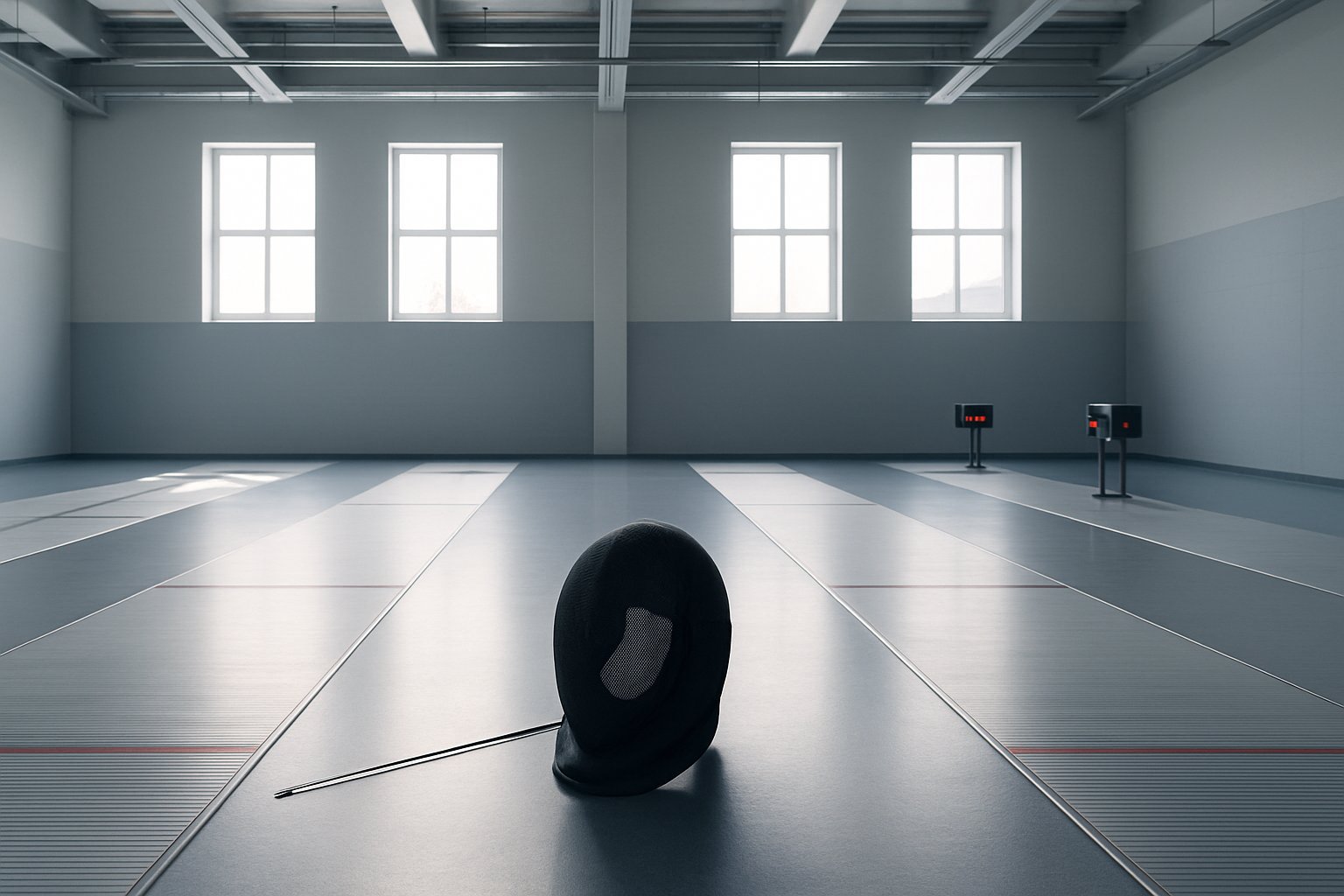
Mobility training helps you move well, not just stretch farther. At Vivo Fencing in Haverhill, we teach it as practical movement work that improves range of motion, balance, and strength, so you can fence with more control and less risk. That matters on the strip and in daily life. Better movement supports safer training, steadier footwork, and healthier joints over time.
What Mobility Training Means in Fencing
Mobility training is broader than flexibility work. It is exercise that helps your body move through a useful range of motion with control. For fencers, that means building positions you can actually use in action, stable lunges, cleaner direction changes, and better balance when you attack, defend, and recover.
In fencing, movement quality matters. You need quick feet, good posture, and the strength to stay organized under pressure. Mobility work supports those athletic movements while helping reduce the risk of injuries, which is why it belongs in serious fencing training, from beginner classes to competitive preparation.
Why Mobility Training Matters for Safer Progress
One of the biggest benefits of mobility training is injury reduction. When your joints and muscles are prepared to move well, your body can handle practice with better control. That does not guarantee you will never get hurt, but it can lower the stress that poor movement patterns place on the body during footwork, drills, and bouts.
That safety piece matters for every age group. If you are a parent, you want your child building athletic habits that support long-term development. If you are a teen competitor or adult beginner, you want training that helps you stay active and keep improving. Better movement is not extra credit. It is part of smart preparation.
“It enhances athletic movements and reduces risk of injuries.”
How Mobility Training Helps You Fence Better
On the strip, mobility training supports the actions you use all the time. It can help you settle into a strong en garde stance, lunge without forcing positions, recover with better balance, and change direction more smoothly. When your body moves cleanly, technique tends to look cleaner too, and that gives you a better base for learning.
At Vivo Fencing, students move through a clear pathway from first class to real competition. Mobility work fits naturally into that process because better movement helps beginners learn safely and helps experienced fencers train with more consistency. It supports the kind of progress you can feel, steadier footwork, stronger positions, and more confidence moving at speed.
Mobility Training vs. Simple Stretching
Stretching and mobility are not the same thing. Stretching often focuses on lengthening a muscle. Mobility training focuses on how well you can move through a range with strength, balance, and control. In other words, the goal is not to be loose for the sake of being loose. The goal is useful movement you can trust.
Mobility Training Beyond the Salle
Mobility training is valuable even when you are not fencing. It can help your joints feel better, support muscle development, and make everyday movement more comfortable. Whether you are walking the dog, carrying a backpack, climbing stairs, or getting through a long school or work day, better movement tends to make daily life easier.
That wider benefit is one reason families appreciate this kind of work. It is not only about winning touches. It is about helping kids, teens, and adults stay active in a healthy way. When you build range of motion together with balance and strength, you are supporting both sport performance and long-term physical well-being.
- Supports joint health
- Builds better balance and strength
- Helps movement feel smoother in daily activities
- Encourages consistent, active habits
How to Do Mobility Training Safely
The most important rule is simple, warm up first. One of the biggest mistakes coaches see is athletes jumping into mobility work before the body is ready. A good warm-up prepares your muscles and joints to move, helps you feel coordinated, and lowers the chance that mobility work turns into forced movement.
“The biggest mistake... without warming up their bodies first.”
You also need to be careful with passive stretching. It is not something to do casually, especially when your body is cold. If used without proper preparation, it can be harmful instead of helpful. That is why safe mobility work should feel active, controlled, and connected to how you actually move in training.
“Passive stretching can be very harmful.”
A Safer Way to Begin
- Start with a light warm-up before mobility work
- Use controlled movement instead of forcing positions
- Focus on smooth range of motion
- Pay attention to balance and posture
- Stop if you feel sharp pain
- Stay consistent rather than aggressive
Mobility Training FAQ
Is mobility training just stretching?
No. Mobility training is about moving better through a range of motion with control. It also supports balance, strength, and movement quality, which makes it more useful for fencing than simple flexibility work by itself.
Why is mobility training important for fencers?
Fencers rely on fast footwork, strong positions, and quick changes of direction. Mobility work helps support those athletic movements and, most importantly, reduces the risk of injuries, so you can train and compete more safely.
Should beginners do mobility training too?
Yes. Beginners benefit because better movement helps them learn stance, footwork, and basic actions more safely. It gives new fencers a stronger base from the start, which can make training feel more comfortable and more confident.
Do you need to warm up before mobility work?
Yes. You should warm up before mobility exercises so your body is ready to move. That preparation helps mobility work feel safer and more effective, especially before fencing practice.
Can mobility training help outside of fencing?
Yes. It can support joint health, improve balance and strength, and make everyday movement feel easier. That is one reason it is useful for kids, teens, and adults, whether they fence for fun, fitness, or competition.
Who is Vivo Fencing?
We are a foil and épée training club in Haverhill, Massachusetts, serving kids, teens, and adults from beginner classes through competitive teams. Our coaches help you build real skills in a welcoming salle with a clear path forward. Come try a free first class at Vivo. Loaner gear is provided, and you’ll leave with clear next steps.
Conclusion
Mobility training plays a real role in fencing development because it helps you move with better range of motion, balance, and strength. Most of all, it supports safer movement and lowers injury risk. When you warm up first and focus on controlled motion, mobility work becomes a smart part of your training, helping you feel better, fence better, and stay active for the long run.
Ready to begin your fencing adventure?
Book a free first class and discover the exciting world of fencing with expert coaches