
Épée Toe Touches: Timing, Tactics, and Footwork
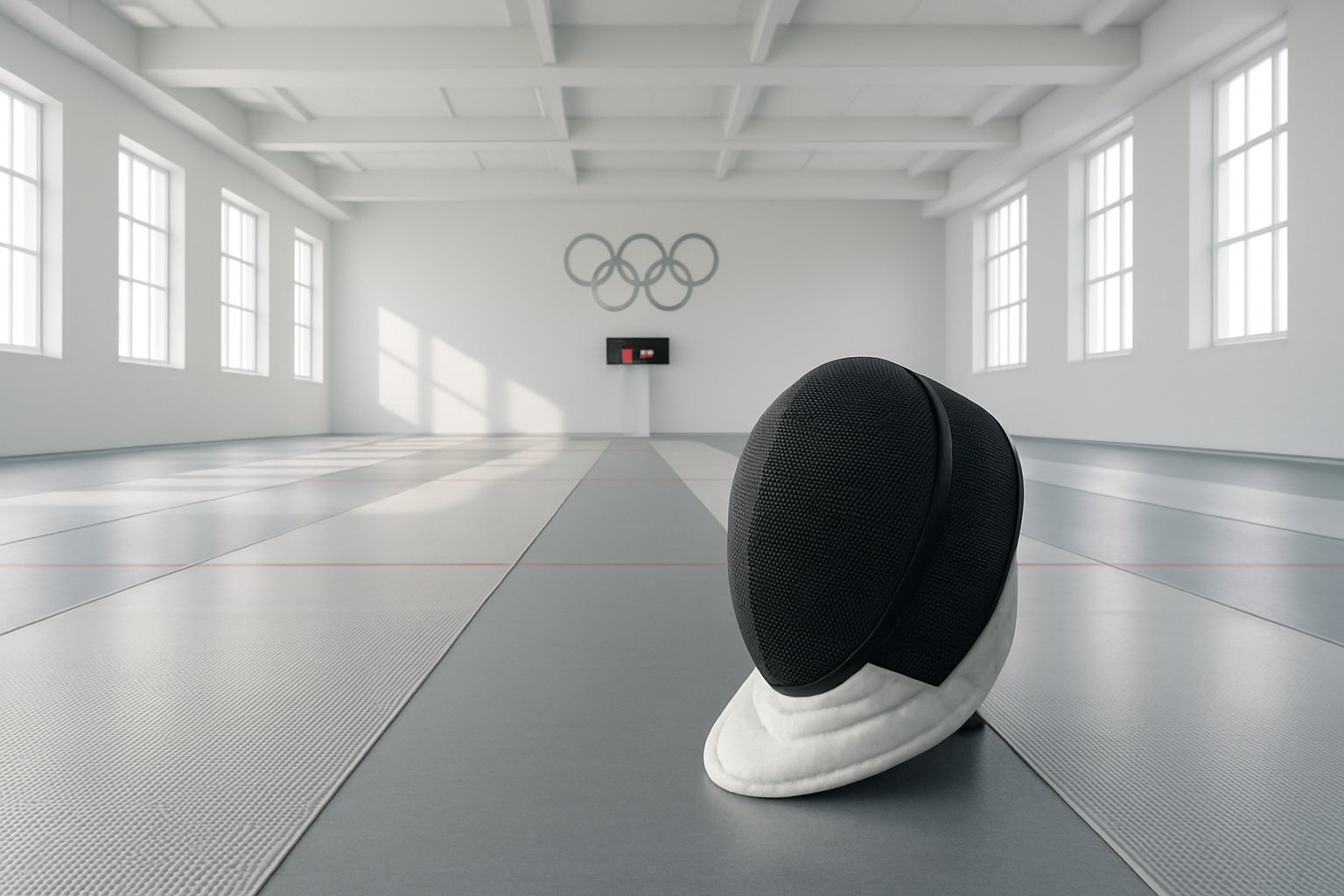
If you are learning epee at Vivo Fencing Club, épée toe touches can look exciting at first glance, but good coaching treats them as a smart option, not a trick. A toe touch is a deliberate hit to your opponent’s shoe or foot with the tip of the epee. It scores because the whole body is valid target in epee, yet it only works well when your timing, balance, and decision-making are in place.
At Vivo Fencing, you learn this action the same way you learn the rest of epee, with clean mechanics, clear tactical purpose, and the right progression for your level. That matters whether your child is starting their first class, you are building toward local and national competition, or you are an adult beginner who wants serious instruction in a welcoming salle.
What Épée Toe Touches Mean in Epee
Épée toe touches are intentional attacks to the foot or shoe. The definition is simple, but the skill is not. The foot is a small target, and it can disappear quickly when the opponent adjusts distance or senses your preparation.
That is why this action should be understood as a situational surprise attack. It can make the other fencer defend more targets instead of focusing only on the arm and torso. When used at the right moment, that extra threat can change the whole exchange.
Why Épée Toe Touches Matter Tactically
A good epee action does more than chase a point, it changes what your opponent has to worry about. When the foot becomes a real scoring threat, the opponent has another line to protect. That can create hesitation, raise their guard at the wrong time, or open a more familiar target later in the bout.
“They can be a very effective surprise attack.”
The key is restraint. At Vivo Fencing, toe touches are taught as something you use sparingly and strategically. You are not trying to force this action every few seconds. You are learning when it fits the opponent in front of you and when a more direct attack is the better choice.
When Épée Toe Touches Are More Likely to Work
Toe touches depend heavily on opponent habits. In other words, this is not just about what you can do with your blade. It is about reading the other fencer and noticing which targets stay available long enough to matter.
- Against opponents who stand still: the foot tends to remain in range longer, which gives you a cleaner chance to land.
- Against opponents who keep the arm close to the body: upper openings may be harder to reach, so the foot becomes a more practical alternative.
- Against opponents who rely on parries: a low surprise action may score before they organize the defense they prefer.
This is the kind of tactical reading strong epee training develops over time. In beginner classes, recreational sessions, and competitive training groups, you build that awareness step by step so your actions start matching the situation instead of becoming automatic guesses.
When to Avoid Épée Toe Touches
There are moments when a toe touch is simply not the smart call. One of the clearest examples is facing an opponent who likes to counterattack. When you go low, you may expose yourself during the action, especially if your preparation is loose or your extension is late.
You should also be careful any time your distance feels off or your balance starts to break. Because the target is so small, a rushed reach usually creates more problems than chances. If you cannot stay controlled through the hit and recover cleanly, the action becomes much easier to punish.
How Vivo Fencing Teaches Épée Toe Touches
For beginners, the goal is not to collect flashy touches. The goal is to build fundamentals that hold up under pressure. That means starting with proper footwork, strong point control, and a balanced position before trying to hit a moving foot in a live exchange.
- Start by hitting a stationary foot target.
- Practice extending the arm first so the point arrives with precision.
- Keep your body organized and balanced through the action.
- Add footwork only when you can maintain control.
- Move into dynamic drills and bouts after the basics are reliable.
This progression fits the way Vivo Fencing develops athletes across levels. New fencers build confidence in group classes with clear coaching and repetition. More experienced epee students can sharpen timing in private lessons, improve athletic support through Fit2Fence, and apply tactical choices in tougher training and competition settings.
Mechanical Priorities That Make the Action Better
- Arm first: early extension matters because the foot is a precise target.
- Controlled footwork: good movement helps you arrive at the right distance without falling onto the attack.
- Point accuracy: a fast action is not useful if the point is not stable.
- Recovery: you need to be ready for the next action if the touch misses or gets defended.
Épée Toe Touches Compared With Main-Target Attacks
In most bouts, a solid attack to the main target area is still the higher-percentage option. The body presents more surface, and those actions usually ask less precision. Toe touches matter because they expand your choices, not because they replace sound epee fundamentals.
That balance is important for parents and new students to understand. Great coaching is not about teaching the most unusual move first. It is about helping you build an epee game that is dependable, adaptable, and ready to grow from first class to real competition.
Key Lessons About Épée Toe Touches for Developing Fencers
Épée toe touches are real scoring actions, and they can be very useful. Still, they work best when they come from clean fundamentals and good tactical judgment. If you treat them as a default attack, you will usually run into trouble faster than you find success.
- Use them as a surprise option, not your main plan.
- Look at opponent behavior before choosing the action.
- Respect the risk against strong counterattacking fencers.
- Build from basics first with balance, extension, and control.
- Practice the touch in progression from stationary target to live fencing.
That is the kind of steady, measurable progress many families want when choosing a fencing club near Haverhill. You want a place where athletes are challenged, supported, and taught how to think clearly on the strip, not just copy moves without understanding when they belong.
FAQ About Épée Toe Touches
Are épée toe touches legal in epee?
Yes. In epee, the entire body is valid target, including the foot and shoe, so a clean hit there can score.
Should beginners focus on épée toe touches right away?
Beginners can learn the action, but it should not be their primary attack. First, you want strong stance, footwork, balance, and point control so the touch is built on real technique.
Why does arm extension matter so much on a toe touch?
The foot is a small target, so precision matters. Extending the arm first helps your point arrive sooner and with better control, which improves your chance of landing cleanly.
What kind of opponent makes a toe touch more realistic?
The action is often more useful against fencers who stand still, keep their arm very compact, or prefer to answer with parries instead of immediate counterattacks.
What is the biggest tactical danger with épée toe touches?
The biggest danger is using them against opponents who counterattack well. If you attack low without the right setup, you may expose yourself and get hit during the action.
How can you improve épée toe touches in training?
Start with a stationary target, then add clean extension, balanced footwork, and recovery. After that, you can practice the touch in movement and eventually test it in controlled bouts.
Who is Vivo Fencing?
We are a foil and epee training club in Haverhill, Massachusetts, serving kids, teens, and adults from first class through serious competition. Our coaching team helps you build skill, confidence, and tactical understanding in a welcoming environment. Come try a free first class at Vivo. Loaner gear is provided and you’ll leave with clear next steps.
Ready to begin your fencing adventure?
Book a free first class and discover the exciting world of fencing with expert coaches