
Strength Training for Safer, Stronger Fencing Skills
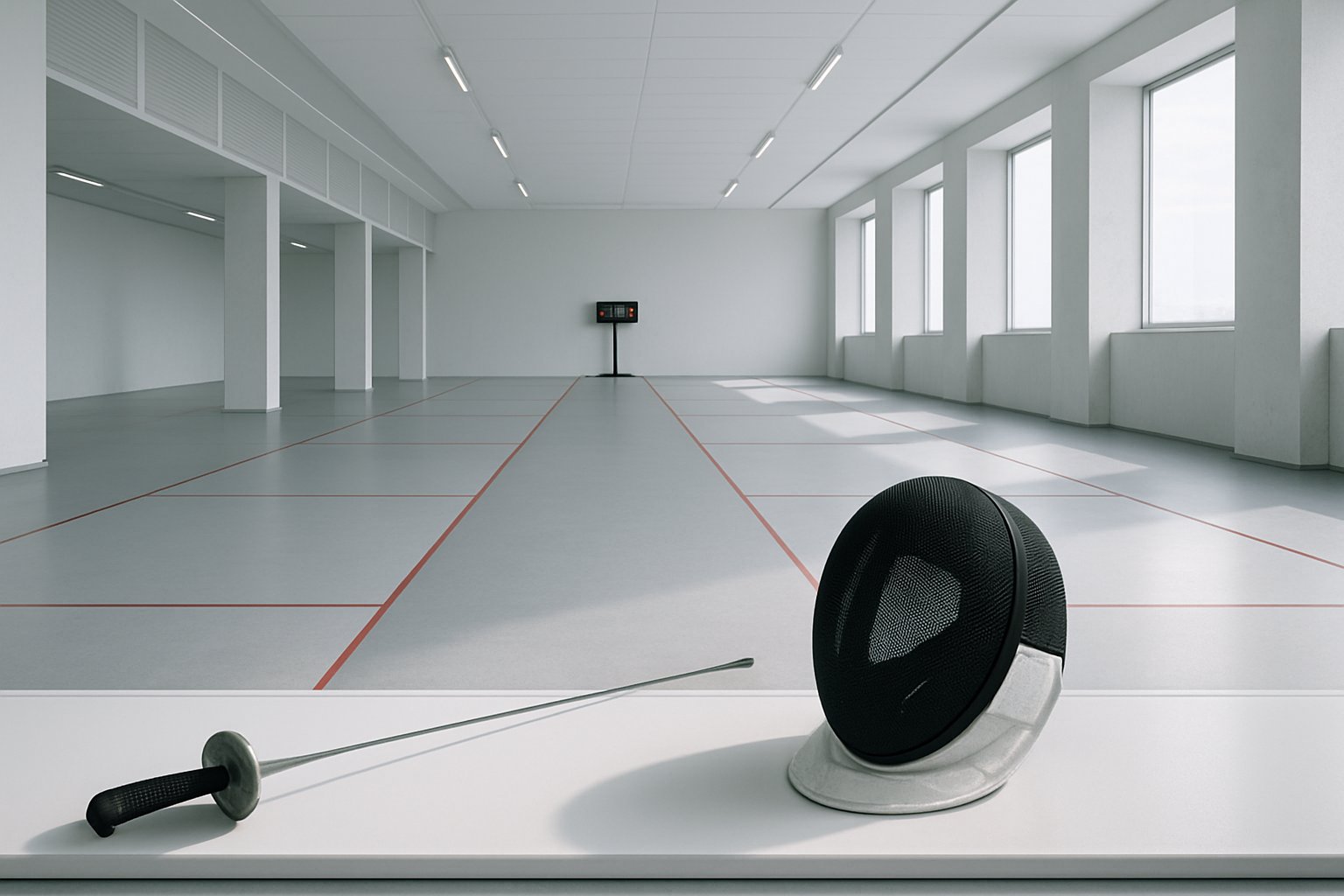
Strength training in fencing should make you better on the strip, not just tired in the gym. At Vivo Fencing in Haverhill, we look at conditioning as support work that helps you move with more balance, speed, power, stamina, and control. For kids, teens, and adults, the goal is simple: build useful movement that fits your stage and keeps you healthy.
That matters whether you are brand new to foil or épée, joining Fit2Fence, or working toward competition. Good strength work is never one-size-fits-all. It starts with the right mechanics, steady coaching, and age-appropriate progress so you can fence with confidence and keep improving over time.
Why Strength Training Matters in Fencing
Fencing is physical chess. You need quick feet, sharp timing, strong posture, and the ability to stay in control when a bout speeds up. That is why strength training matters. It supports the athletic side of fencing so your technique holds up under pressure and your movement stays clean from first touch to last touch.
- Balance: helps you stay stable during advances, retreats, and changes of direction
- Speed: supports faster, more efficient footwork
- Power: helps with explosive actions like a lunge or recovery
- Stamina: helps you keep quality movement through class, lessons, and bouts
- Control: improves body awareness so technique stays sharper
“Strength helps with balance, speed, power, stamina, and control.”
At Vivo, that means conditioning has to connect back to fencing. We are not chasing brute force for its own sake. We are helping you build the kind of movement that supports your fencing with a clear path from beginner class to more competitive goals.
How Vivo Fencing Approaches Strength Training Safely
Safety comes first. Before you add more reps, more difficulty, or any outside resistance, you need to learn how to do the movement the right way. That foundation matters for every age group, but especially for newer athletes who are still learning posture, coordination, and control.
We also do not treat every athlete the same. A beginner in a first class needs something very different from a more experienced fencer training regularly. Your plan should reflect your age, experience, movement quality, and recovery because smart progress starts with the athlete in front of you.
“They need to learn to do the exercises the right way so they don't get hurt.”
Safe basics that guide strength work
- Learn correct form before adding challenge
- Use professional coaching and supervision
- Choose age-appropriate conditioning
- Match reps and resistance to the athlete
- Build gradually instead of rushing
- Fix poor mechanics before progressing
Strength Training for Beginners and Younger Fencers
If you are new to fencing, strength training should feel simple and purposeful. Early on, the focus is not intensity. It is learning how to move well. That can mean posture work, balance drills, controlled footwork patterns, and general conditioning that supports what you are learning on the strip.
For younger athletes, Vivo takes an especially careful approach. Younger fencers should not use weights in the early ages. Instead, the work should stay age-appropriate and developmentally sound, helping them build coordination and body control first so they have a safer base for later training.
This is one reason families in the Haverhill area appreciate a structured program. You want your athlete challenged, but you also want them protected. When conditioning is taught the right way, it supports confidence, focus, and long-term progress instead of creating avoidable setbacks.
How to Progress Strength Training the Right Way
Progress in strength training should be earned. If your movement stays clean and you are recovering well, then training can gradually become more demanding. If form starts to slip or fatigue starts to build, that is a sign to pause, adjust, or simplify. More work is not always better work.
That coach-like mindset matters in fencing because progress is rarely a straight line. Some weeks, you are learning a new skill. Other weeks, you are handling more class volume, private lessons, or competition prep. Your conditioning should support those demands, not compete with them.
Signs of smart progress
- Better movement quality
- Improved balance and body control
- Stronger, steadier footwork
- Gradual gains without pain
- Enough energy left for fencing practice and bouts
Strength Training, Tracking, and Recovery
One of the most overlooked parts of strength training is what happens between sessions. Recovery is part of the plan, not an extra. Your body needs time to adapt so the work actually helps. Without enough recovery, even well-chosen exercises can stop being useful and start increasing injury risk.
Tracking improvement helps with that. When you pay attention to form, energy, soreness, and how you move on the strip, you get a clearer picture of what is working. That makes it easier to adjust the plan as you develop, which is especially important for growing athletes and busy competitors.
“Very important to give the body enough time to recover to avoid injuries.”
What to track in strength training
- Exercise form and mechanics
- Energy from session to session
- Quality of fencing footwork and posture
- Signs of soreness, fatigue, or overload
- Progress in balance, speed, power, stamina, and control
Key Takeaways on Strength Training for Vivo Fencers
Strength training works best when it stays tied to the real needs of fencing. It should help you move better, support your technique, and keep you healthier for the long run. That is true for a child taking a first class, a teen building toward competition, or an adult beginner who wants smart, structured coaching.
- Strength training should support fencing performance
- Right mechanics come before harder progressions
- Training should be tailored to the individual athlete
- Younger athletes need age-appropriate methods and extra care
- Tracking progress helps coaches adjust the plan over time
- Recovery is essential for safer development
Strength Training FAQ
Is strength training useful for foil and épée?
Yes. When it is taught well, it helps you fence with better balance, speed, power, stamina, and control. The key is making sure the conditioning supports what you do on the strip instead of turning into a generic workout.
Should a beginner start strength training right away?
Yes, but in a simple way. A beginner does not need intense lifting. You need to learn the right movements, build coordination, and develop good habits that support your fencing from the start.
What does strength training look like for younger athletes?
For younger fencers, the focus should stay on age-appropriate conditioning, body control, and safe movement patterns. Vivo does not recommend weights in the early ages. The priority is learning how to move well before adding more demanding work.
How do you know when to progress or pull back?
You look at movement quality, recovery, and how the athlete is handling fencing practice. If form is solid and energy is good, you can progress carefully. If fatigue rises or mechanics break down, the plan should be adjusted.
How does strength training fit into the pathway at Vivo Fencing?
It supports the full journey, from early classes to more serious training. In our program, conditioning helps reinforce the athletic side of fencing, and Fit2Fence gives many athletes a structured way to build the movement qualities that help on the strip.
Who is Vivo Fencing?
We are a foil and épée training club in Haverhill, Massachusetts, for kids, teens, and adults who want a welcoming place to start and a clear path to improve. Our coaches help you build skill, confidence, and safe athletic habits in a supportive 6,000 square foot salle with 15 electric strips. Come try a free first class at Vivo. Loaner gear is provided, and you’ll leave with clear next steps.
Ready to begin your fencing adventure?
Book a free first class and discover the exciting world of fencing with expert coaches